
#Lending
- This article was updated in November 2026.
- There are 42 building societies in the UK. Between them they have about 27 million members.
- Attracting their next generation of members is important. Hyper-personalization could help.
- Innovative tools, including AI, could help societies to stay competitive and remain independent.
The popularity of building societies in the UK for two-and-a-half centuries has transformed local communities and how they manage their personal finances. A building society is a financial institution owned by its members – the people who save with it or take out a mortgage with it. The member-owned model of building societies prioritizes service before profit. The emphasis is on returning surpluses to members through better savings interest rates or community initiatives rather than going to external shareholders. The first known building society was formed in Birmingham in 1775 when, legend has it, the landlord of the Golden Cross Inn placed a tankard on the bar to collect patrons’ money. The aim was for members to financially empower themselves by pooling their finances to purchase land and build homes.
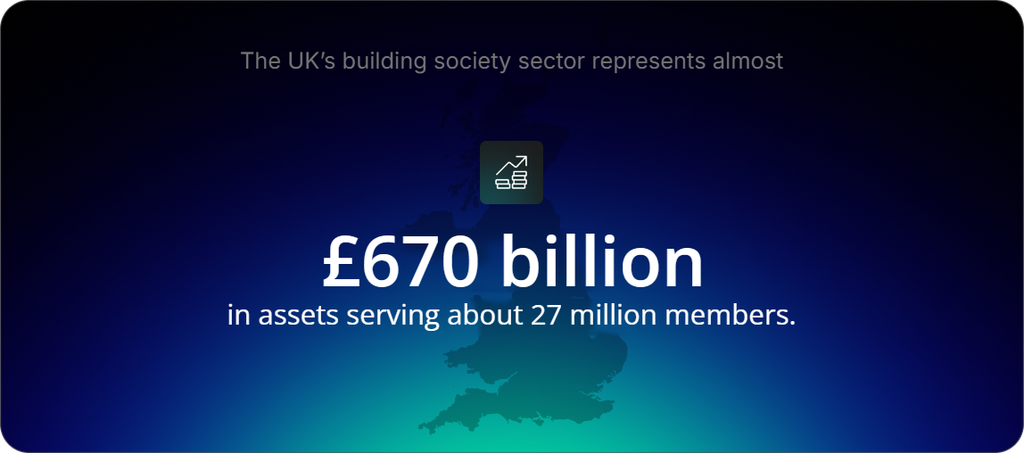
This grassroots approach laid the foundation for today’s sector. There are now 42 building societies in the UK, serving about 27 million members. Including the two banks now owned by building societies, the sector holds almost £670 billion in assets. In the six months to March 2026, it grew its mortgage balances by £7.5 billion to £499 billion and provided 61,730 mortgages to first-time buyers, almost a third (32%) of all lending to new homebuyers, according to data from the Building Societies Association (BSA).
In contrast, the UK’s financial system, consisting of banks, building societies, insurance companies, fintechs, neobanks and the Bank of England, among others, had assets of around £28 trillion in 2022, a research briefing published by the House of Commons Library noted. Meanwhile, the financial and insurance services sector contributed £223.6 billion to the UK economy in 2025, or 8% of total economic output, the briefing added.
In our Banking is Local series, we explore how building societies have retained a personal touch amid the digital transformation of the UK’s financial sector.
How building societies balance digital tools with a human touch
Today consumers expect robust digital offerings from their financial providers. This is no different for building societies, many of which are upgrading their digital platforms with apps, core software updates, and cloud-based features. However, building societies are also committed to maintaining in-branch services for members who prefer face-to-face interactions.
According to the BSA, building societies prioritize investing in local communities and are more likely to retain their high-street branches. Together with the two mutual-owned banks, they now account for 35% of UK high-street branches, up from 14% in 2012. Newbury Building Society, for example, describes its approach as “bricks and clicks”: keeping a presence on local high streets while investing in digital tools. Founded in 1856, the mutual society partnered with SBS in 2024 to launch a fully integrated mobile app as part of its digital transformation.
“This collaboration allows us to offer our customers a cutting-edge Mobile App that provides ‘on the go’ secure access to a customer’s savings and mortgage accounts with the Society,” said Phillippa Cardno, chief executive at Newbury Building Society.
Coventry Building Society also launched a new app in 2024, as part of a £91 million investment in technology that year.
Embracing hyper-personalization and AI
Building societies increasingly recognize that robust digital services mean more than just offering online accounts and mobile banking. While staying true to their member-first ethos, they are exploring the use of artificial intelligence-driven systems to gain deeper insights into members’ needs, anticipate challenges, and deliver tailored experiences. In a 2024 survey by the Bank of England and the Financial Conduct Authority, 75% of the UK financial services firms that responded were using AI.
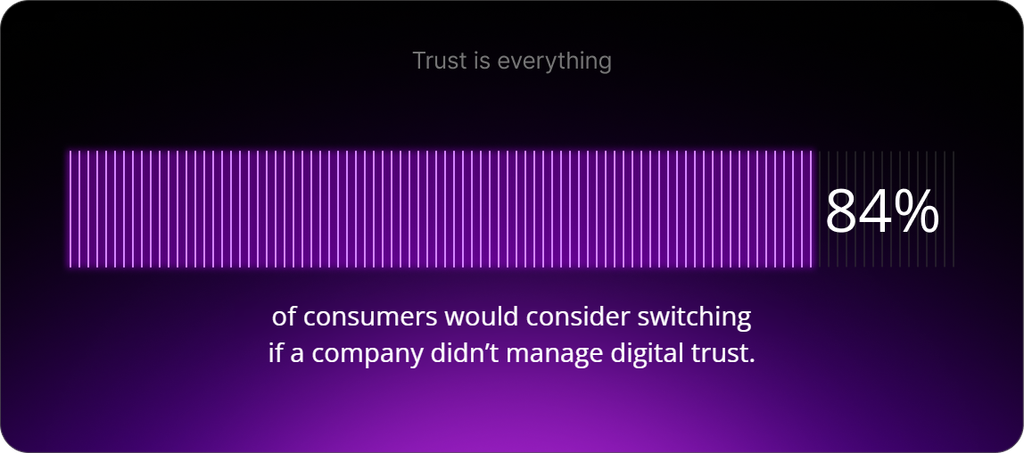
At the same time, maintaining member trust is key for building societies as part of their “human touch” grassroots model. According to the 2022 State of Digital Trust Survey by DigiCert, 84% of consumers surveyed worldwide would consider switching if a company did not manage digital trust effectively. A seamless digital identity experience, which is essential for building societies, reinforces trust, protects member privacy and helps prevent cyberattacks.
Tailoring services for younger generations
Hyper-personalization appeals to Generation Z, including tailored financial tools such as green mortgages, automated savings options, and ethical investment choices. This approach aligns with their values as socially conscious consumers.
However, Moneyhub research, as reported by The Fintech Times, found that building societies could be missing out on attracting a new generation of members – and retaining current ones – by failing to accelerate their digital offerings.
The Moneyhub research, cited by The Fintech Times, noted that almost half, or 47%, of building society customers reported difficulties engaging with their services, and their digital experience is a frequent issue for many. The research also found that 31% of respondents would be more likely to join a building society if they had a mobile app, and 26% would be more open to them if they had a web-based portal.
According to the same survey, building societies’ share of banking services was 32% across all respondents but only 24% among 18- to 34-year-olds. The research highlighted that younger generations primarily seek financial service providers that can facilitate easy and efficient money management through technology. As a result, younger consumers are increasingly choosing challenger and neobanks.
“The newer challenger and neobanks often position themselves as technology first, and without the legacy systems that more established banks and building societies have, are able to innovate and develop their technology at a quicker pace,” Moneyhub noted, as reported by The Fintech Times.
Challenges for building societies in a changing landscape
Building societies face growing pressures, including economic headwinds resulting from the changing and volatile interest rate environment, the increased cost of living in the UK, and operational costs linked to legacy systems. Increased compliance costs, including the Financial Conduct Authority’s Consumer Duty requirement, are also a concern. In force since July 2023, it requires firms serving retail customers, building societies included, to deliver good outcomes for them and to evidence those outcomes with data. This includes providing suitable products and services, fair pricing and value, facilitating consumer understanding, and offering adequate consumer support.
“Stress-testing resilience in different scenarios by having appropriate planning and forecasting models in place can help provide greater clarity on areas that may lead to underperformance,” according to a report by Grant Thornton.
“Societies should be prepared to take proactive steps and make necessary operational changes to ensure that the firm is as resilient as possible to weather market forces. Customer servicing models also need to be reviewed to assess if they’re fit for purpose,” it adds.
Regulatory and government support
There is some relief on the regulatory front. In December 2025, the Prudential Regulation Authority (PRA) withdrew its supervisory statement on building societies’ treasury and lending activities, removing expectations that could limit their ability to compete and grow. From 1 January 2027, a new Treasury order will also exclude certain Bank of England funding from the cap on how much societies can raise from sources other than their members’ savings. And the government has committed to doubling the size of the UK’s mutual and co-operative sector.
A bright future rooted in community
Despite the challenges, building societies remain a vital financial service because they balance community-centric values with modernization. Thanks to their higher savings rates and community initiatives, they can deliver ethical, member-focused services and position themselves as competitive alternatives to traditional banks and neobanks.
According to BSA data, building society savers received £2.1 billion more in interest in 2025 than they would have earned at the average rates offered by the largest banks. Together with the two mutual-owned banks, building societies also hold 23% of all UK savings balances, worth £502 billion.
Combining modern technology with a commitment to local communities means that the UK’s building societies embody the principle that “banking is local.” Meanwhile, their member-owned structures and innovative tools, such as AI, will help them stay competitive without losing that all-important personal touch.
For more expert content on industry outlooks and innovation, subscribe to our newsletter or visit our Insights page.
This article is also available in video format, watch below
FAQs: Key questions on building societies
A building society is a financial institution owned by its members, the people who save with it or take out a mortgage with it. Building societies focus on savings and mortgages, and there are 42 of them in the UK.
Most banks are companies owned by shareholders, who expect a share of the profits. A building society is a mutual, owned by its members, with no external shareholders to pay. The law also shapes what it does: at least half of its funding must come from savings that individual members hold as shares.
There are 42 building societies in the UK, serving about 27 million members, according to the Building Societies Association. Together with the two mutual-owned banks, they hold almost £670 billion in assets and operate about 1,300 branches.